
QUICK FACTS
✔ Wrap each glass individually and add cushioning inside to reduce the risk of cracks and breakage.
✔ Pack glassware upright in sturdy boxes to protect weak points like rims and stems.
✔ Fill all empty spaces in the box so items stay secure and do not shift during transport.
✔ Use smaller boxes and avoid overloading them to reduce pressure and make handling safer.
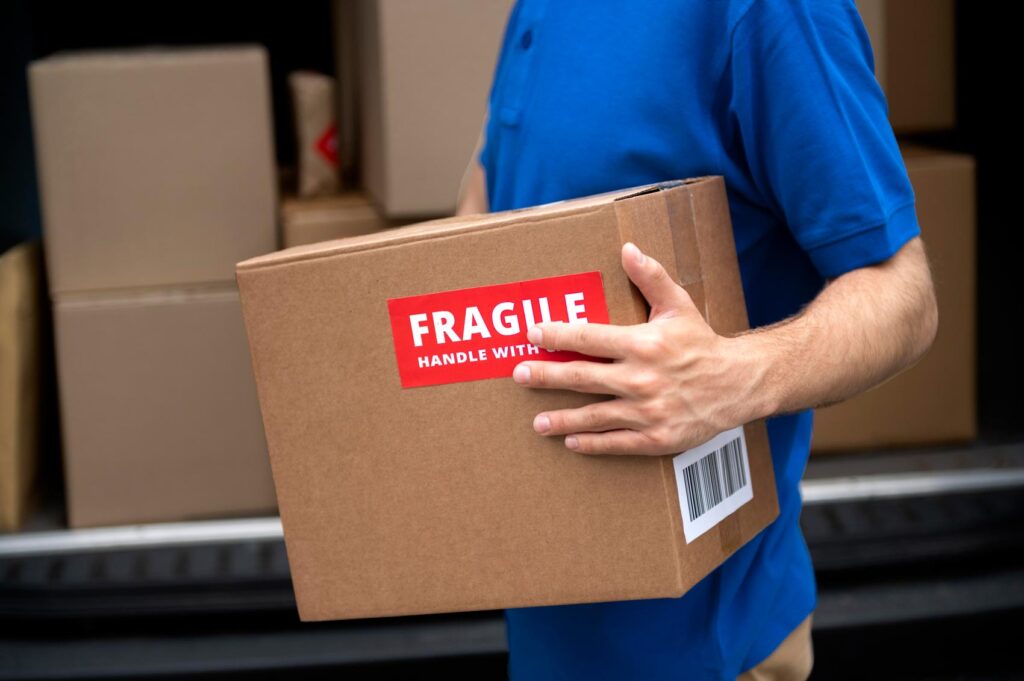
✔ Label fragile boxes clearly so they are easier to identify and handle with care.
WHAT’S IN THIS GUIDE
- Why Glassware Breaks During Moves
- Materials You Need to Pack Glassware Safely
- How to Pack Glassware for Moving (Step-by-Step Guide)
- Best Packing Techniques for Different Types of Glassware
- 6 Tips to Prevent Glassware Damage
- Should You Pack Glassware Yourself or Hire Professionals?
- Frequently Asked Questions
- Protect Your Glassware During Your Move
Glassware is one of the most commonly damaged household items during a move, yet most breakage is preventable with the right approach.
The best way to pack glassware for moving is simple but precise. Follow these essential steps to protect your items:
- Wrap each glass individually using packing paper or bubble wrap
- Cushion the inside of each glass to maintain its structure
- Place glasses upright in a sturdy, well-padded box
- Use dividers and eliminate excess space to prevent shifting
These proven techniques reflect the best way to pack glasses for moving and help reduce the risk of breakage.
Keep reading to learn how to pack glasses for moving with more practical tips to protect everything from everyday drinkware to delicate stemware.
Why Glassware Breaks During Moves
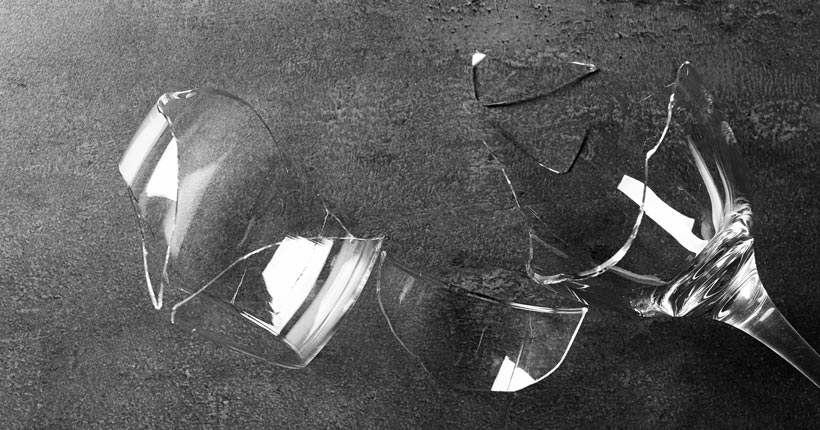
Glassware breaks when force is unevenly distributed. Most damage occurs at weak points such as rims, stems, and thin bases. These areas are vulnerable to pressure, vibration, and sudden impact.
Common causes include:
- Insufficient cushioning at the bottom or top of boxes
- Packing glasses on their sides instead of upright
- Overloading boxes, which increases internal pressure
- Leaving space that allows items to shift
Materials You Need to Pack Glassware Safely
The best way to safely and efficiently pack glasses for moving is to use the right materials along with proper technique. The goal is to absorb shock, prevent movement, and distribute weight evenly.
Essential Packing Supplies
- Packing paper for wrapping and cushioning
- Bubble wrap for added protection on fragile pieces
- Small to medium sturdy boxes
- Heavy-duty packing tape
- Cell dividers for stemware and wine glasses
Optional Alternatives
- Towels, socks, or soft clothing for cushioning
- Foam inserts for high-value items
- Dish pack boxes for extra durability
How to Pack Glassware for Moving (Step-by-Step Guide)
If you’re wondering how to pack glassware or looking for the best way to pack glasses for moving, following a structured process is key.
Step 1: Prepare the Box
Start with a sturdy small or medium box so the weight stays manageable and the contents are easier to protect. A properly prepared box creates the shock-absorbing base that glassware needs before anything goes inside.
- Reinforce the bottom: Seal the bottom seams with multiple layers of strong packing tape to reduce the risk of the box giving out under weight.
- Add bottom cushioning: Place 2 to 3 inches of crumpled packing paper at the bottom to absorb impact during loading, transport, and unloading.
- Choose the right box size: Smaller boxes are easier to carry and are less likely to collapse, helping reduce the risk of damage during the move.
Step 2: Stuff and Wrap Each Glass
Each glass should be packed as an individual fragile item, not grouped loosely with others.
- Stuff the inside: Fill each glass with packing paper to help it keep its shape and reduce internal pressure.
- Wrap individually: Roll each glass in packing paper and tuck the ends into the opening so the item stays secure.
- Add another layer if needed: Use a second sheet of paper or bubble wrap for thinner or more delicate pieces that need more protection.
Step 3: Protect Delicate Parts
Some parts of glassware break more easily than others, especially stems and rims. Giving these areas extra padding lowers the risk of chips, cracks, and snapping.
- Wrap the stem first: Stemware should be padded at the stem before wrapping the rest of the glass.
- Cover the rim carefully: The rim is highly vulnerable to chipping, so it should be fully cushioned.
- Secure the full piece: After protecting the weakest points, wrap the entire glass to create even coverage.
Step 4: Pack Glasses Upright
Placement inside the box matters just as much as wrapping. The best way to pack glasses is to keep them upright because that position better supports their structure.
- Place glasses lip-up: Set each wrapped glass upright in the box with the opening facing up.
- Avoid side placement: Laying glasses on their sides increases pressure on weaker areas and raises the chance of breakage.
- Keep positioning consistent: Packing all glasses the same way helps maintain balance and stability inside the box.
Step 5: Pack Firmly Without Overcrowding
A well-packed box should prevent movement without putting too much pressure on the contents. The goal is to keep everything snug, stable, and separated.
- Arrange items closely: Place glasses near each other without letting them touch directly.
- Fill all gaps: Use crumpled packing paper, towels, or other soft materials to stop items from shifting.
- Avoid overpacking: Too much pressure inside the box can be just as damaging as too much empty space.
Step 6: Seal and Label Properly
The final step is securing the box so it stays protected throughout the move. Clear labeling also helps ensure the box is handled carefully from start to finish.
- Add top cushioning: Place a final layer of packing paper on top before closing the box.
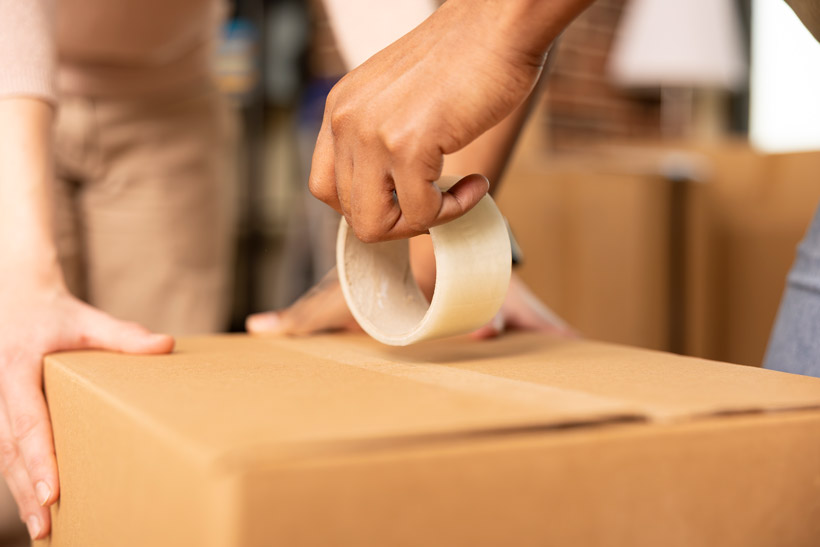
- Seal securely: Use strong packing tape to close the top seams and reinforce the box if needed.
- Label all sides: Mark the box with “FRAGILE” and “THIS SIDE UP” so movers know how to handle it safely.
Best Packing Techniques for Different Types of Glassware
Dishes and Bowls
Standard wrapping methods work well for everyday items like dishes and bowls. The best way to pack dishes for moving is to wrap each piece individually and place them close together with enough cushioning to prevent contact and movement.
Wine Glasses and Stemware
Use cell dividers whenever possible. Dividers prevent glasses from touching and shifting during transport.
Crystal and High-Value Glassware
Wrap twice using packing paper and bubble wrap. Consider using specialty boxes designed for fragile items.
Large or Odd-Shaped Glass Items
Wrap individually and avoid stacking. Place them in boxes with extra padding and minimal movement.
6 Tips to Prevent Glassware Damage
Packing glassware safely comes down to controlling movement, reducing pressure, and protecting fragile points. These practical tips will help ensure your items stay intact throughout the move.
1. Use Dividers to Keep Items Separated
Cell dividers create individual compartments that prevent glasses from touching and shifting during transport.
2. Avoid Overloading Boxes
Heavy boxes increase pressure on the bottom layer, which can lead to cracks or breakage. The best way to pack glasses for moving is to keep boxes light and manageable.
3. Choose Smaller Boxes
Smaller boxes limit weight and make handling easier, reducing the risk of drops or compression. This approach also improves handling safety and supports proper glass packing techniques.
4. Eliminate Empty Space Inside Every Box
Gaps inside the box allow items to move and collide during transit. Fill all spaces with packing paper or soft materials to secure everything in place.
5. Use Soft Household Items as Cushioning
Towels, socks, and clothing can provide effective padding when packing supplies are limited. These materials can supplement standard methods used in how to pack glasses for moving.
6. Keep Fragile Boxes Accessible
Place glassware boxes in easily accessible areas so they can be handled with care during loading and unloading. This ensures better visibility and reduces the risk of mishandling during the move.
BOOK PROFESSIONAL PACKING HELP
Should You Pack Glassware Yourself or Hire Professionals?
Packing glassware yourself can save money and give you full control over the process. However, it requires time, attention to detail, and the right materials.
Professional movers have experience handling fragile items and often use specialized packing systems. This is especially helpful for large moves or valuable collections.
If you are short on time or concerned about breakage, working with experienced home relocation packers and movers can reduce risk and streamline the process.
Frequently Asked Questions
How early should I start packing glassware before a move?
Start packing glassware at least one to two weeks before your moving date to avoid rushing. This gives you enough time to wrap items properly and gather the right materials.
Spreading the process out also reduces the chance of mistakes when learning how to pack glasses for moving. Early packing helps ensure everything is secured using the best way to pack glasses.
Should I wash glassware before packing it?
Yes, glassware should be clean and completely dry before packing to prevent stains, odors, or residue buildup. Moisture trapped inside can weaken packing materials and affect protection. Clean items also make unpacking easier and more efficient.
What should I do if I run out of packing materials?
If packing supplies run low, use household items like towels, socks, or clothing for cushioning. These materials can help fill gaps and protect fragile surfaces. Make sure items are still wrapped individually before using alternatives.
How can I protect glassware during long-distance moves?
Use extra layers of wrapping and double-boxing for added protection during longer trips. Secure items tightly to prevent movement caused by extended transport time. Consider using dividers and reinforced boxes for fragile pieces. These steps follow the best way to pack glasses and reduce the risk of long distances.
Should I unpack glassware immediately after moving?
It is best to unpack glassware soon after arriving to check for any damage and avoid prolonged pressure inside boxes. Leaving items packed too long can increase the risk of stress cracks. Handle each item carefully during unpacking.
Protect Your Glassware During Your Move
Packing fragile items takes time, care, and the right materials. If you want added support, KP Quality offers reliable moving and packing assistance to help keep your belongings secure throughout the process.
With experienced movers and careful handling, you can move with greater confidence knowing your items are in good hands.
Contact KP Quality today and get a free moving quote.