
What’s In This Guide
- What Does a Crane-Assisted Move Involve?
- When Do You Need Crane Services Near Me?
- Crane Rental Needed? Checklist
- How to Plan a Crane-Assisted Move
- Could Another Moving Method Work Instead?
- What Should You Ask Providers of Crane Services Near Me?
- Frequently Asked Questions
- Plan Your Move With an Integrated Team
Searching for a “crane rental near me” often starts with a simple problem: a piano cannot make the turn on a staircase, a sectional cannot clear a doorway, or a commercial machine exceeds an elevator’s weight or size limits. However, the solution is rarely as simple as renting a crane by the hour.
A crane-assisted move is a coordinated lifting operation. The team must identify the item’s verified weight, dimensions, center of gravity, safe rigging method, pickup point, travel path, landing area, and final placement route. The site must also provide sufficient space and support for the equipment. In New York City and many locations on Long Island, planners may also need to address building requirements, permits for public-space use, traffic control, utility lines, and pedestrian safety.
Quick Facts
- A crane may be appropriate when an item cannot safely pass through doors, halls, stairs, elevators, or loading areas.
- Upper-floor moves involving a balcony, terrace, roof opening, or window require a complete lift plan, not just a crane reservation.
- Weight matters, but dimensions, balance, fragility, rigging points, landing space, and the lift path matter just as much.
- Crane-assisted moves may require building approval, street or sidewalk permits, traffic control, inspections, or local coordination.
- A safe approach covers item protection, rigging, crane operation, access control, and final placement.
What Does a Crane-Assisted Move Involve?
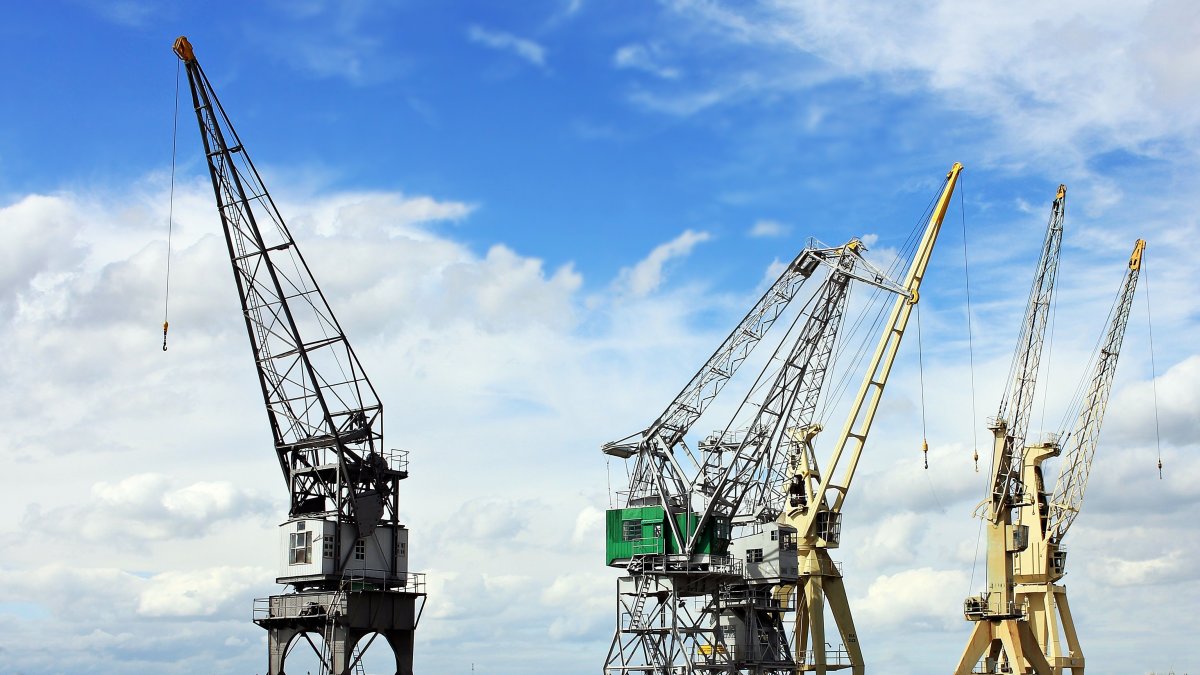
A crane-assisted move uses hoisting equipment to lift an item over, around, or through an obstacle that prevents a conventional move. The load might travel through a window, over a balcony railing, onto a terrace, across a yard, or directly to a commercial loading point.
The crane is only one part of the operation. Movers may need to stabilize or crate the item, protect finished surfaces, attach approved rigging, control the load, prepare the receiving area, and guide final placement.
A qualified plan also establishes an exclusion zone. For operations covered by OSHA’s construction crane standards, hoisting routes must minimize worker exposure to suspended loads, and access to the fall zone is restricted in specified circumstances. OSHA’s advisory sling guidance also recommends using mechanical means whenever possible to move heavy, bulky objects.
When Do You Need Crane Services Near Me?
1. The Item Cannot Fit Through the Normal Route
Measure more than the front door. A piano, oversized furniture piece, HVAC unit, sculpture, or machine might clear one opening but fail at a stair landing, elevator cab, hallway turn, ceiling soffit, or interior doorway.
A crane assessment makes sense when the item cannot be safely disassembled, disassembly could damage it, the route has tight turns, or removing doors and railings still would not create adequate clearance. Measurements should include protective wrapping and rigging, not just the bare item.
2. The Destination Is on an Upper Floor
High-rise and walk-up moves often create an access problem rather than a distance problem. Freight elevators may have weight, size, reservation, or operating-hour restrictions. Stairways may be narrow, winding, or unsuitable for safely carrying the item with a moving crew.
A balcony or window lift may work when the building has a suitable exterior opening and controlled landing area. The team must confirm opening size, railing or window removal, floor capacity, crane reach, lift radius, and building requirements. Trees, setbacks, neighboring buildings, overhead lines, and wind exposure can change the plan.
3. Weight or Shape Makes Manual Handling Unsafe
Whether an item requires specialized handling depends on more than its weight. Awkward dimensions, a high or uncertain center of gravity, limited handholds, delicate finishes, and uneven weight distribution may make manual handling unsafe.
Items that often need a crane assessment include grand pianos, marble or glass surfaces, large safes, commercial gym equipment, statues, HVAC components, generators, laboratory equipment, and industrial machinery. The handling method should reduce the risks of crushing injuries, dropped loads, strains, and property damage rather than relying on additional labor alone.
4. The Conventional Route Creates Greater Risk
A crane can be appropriate even when an item technically fits. Carrying a grand piano up a narrow staircase may expose workers, walls, railings, and the instrument to more risk than a properly planned exterior lift. The same applies to fragile art that would need repeated tilting or machinery that must remain level.
The question is not, “Can people force this through?” It is, “Which controlled method presents the lowest overall risk?” Professionals should compare stair climbers, gantries, dollies, skates, hoists, disassembly, temporary opening removal, and crane access.
5. The Property Has Tight or Unusual Access
Properties in New York may have narrow streets, limited curb space, overhead utilities, mature trees, steep driveways, soft ground, courtyards, setbacks, and heavy pedestrian traffic. These conditions affect where equipment can be positioned and how the load can travel.
For operations covered by OSHA’s construction crane standards, equipment must not be assembled or used unless ground conditions are sufficiently firm, drained, graded, and supported to meet the manufacturer’s specifications. A driveway is not automatically suitable simply because a truck fits on it. Planners must consider underground utilities, vaults, septic systems, slope, outrigger placement, and boom or counterweight clearance.
6. The Lift Affects a Street, Sidewalk, or Public Area
Permit needs are a major sign that the job requires professional coordination. In New York City, the Department of Buildings’ Cranes & Derricks Unit oversees equipment used for hoisting and lifting, and some operations require notices, permits, or on-site inspection procedures.
Requirements vary by equipment, location, property type, duration, and scope. Long Island rules can differ by town, village, county, road owner, or utility. Building management may impose separate requirements. The project team should verify every jurisdictional and site-specific requirement before scheduling equipment.
Crane Rental Needed? Checklist

Request a crane assessment when one or more of the following statements are true:
- The item cannot clear a door, hall, stair turn, elevator, or loading dock.
- The item must pass through a window or another exterior opening, or be lifted over a balcony, terrace, or roof.
- The item’s verified weight exceeds the safe capacity of the planned equipment or any part of the intended route.
- The item is unusually long, top-heavy, fragile, rigid, or difficult to grip.
- Disassembly is impossible, prohibited, or likely to cause damage.
- The move creates risks of crushing, falling objects, overexertion, or loss of control.
- The item must remain level or in a specific orientation.
- A truck or crew cannot get close enough for a conventional move.
- The site has narrow streets, weak or sloped ground, overhead lines, trees, or limited setup space.
- The operation may occupy a street, curb lane, sidewalk, driveway, or shared area.
- A building, municipality, road authority, utility, or property manager may require approval.
- The destination requires precise placement of machinery, HVAC equipment, artwork, or another specialty item.
A “yes” does not prove that a crane is required. It means the move needs a site-specific review before professionals select the method and equipment.
READ MORE: Moving Company in Long Island | KP Quality
How to Plan a Crane-Assisted Move
Step 1: Document the Item
Record exact dimensions, verified weight, manufacturer information, condition, material, removable components, and preferred orientation. Provide clear photos. For machinery or HVAC units, identify approved lifting points and components that require special handling.
Step 2: Measure Both Routes
Measure both the conventional interior route and the proposed exterior route. Include door jambs, turns, ceilings, elevators, balcony openings, window frames, railings, roof edges, and the final placement path. Photograph obstacles and mark the pickup and landing points.
Step 3: Evaluate the Site
The crane provider and moving team need to review setup space, ground support, boom reach, lift radius, overhead hazards, pedestrian exposure, traffic, neighboring properties, and the receiving area. A site visit may be necessary. For operations covered by OSHA’s construction crane standards, a signal person is required when the load-travel or placement area is not in full view of the operator. This situation can arise during window, balcony, and rooftop lifts.
Step 4: Confirm Building and Permit Requirements
Ask the property manager or facility representative about insurance, elevator reservations, work-hour limits, façade access, window removal, loading zones, and engineering documentation. The project team should confirm whether coordination with the DOB, DOT, local highway authorities, police, utilities, or other municipal agencies is required.
Step 5: Select the Handling and Rigging Plan
The plan should identify crane configuration, rigging hardware, slings, spreader bars, protective materials, crating, tag lines, pickup points, and landing procedure. It should prevent compression, twisting, uncontrolled rotation, or building contact.
Step 6: Control the Work Area
Establish an exclusion zone and communication plan. Only essential personnel should enter the lift area. Protect windows, floors, walls, terraces, landscaping, and adjacent property. Confirm that the receiving team can stabilize, unwrap, assemble, and position the item.
Step 7: Prepare for Conditions That Can Stop the Lift
Wind, rain, poor visibility, unstable ground, traffic, or building-access changes can delay an operation. The plan should include decision authority, cancellation criteria, rescheduling procedures, and secure storage options. Safety and manufacturer limits must take priority over the schedule.
Could Another Moving Method Work Instead?
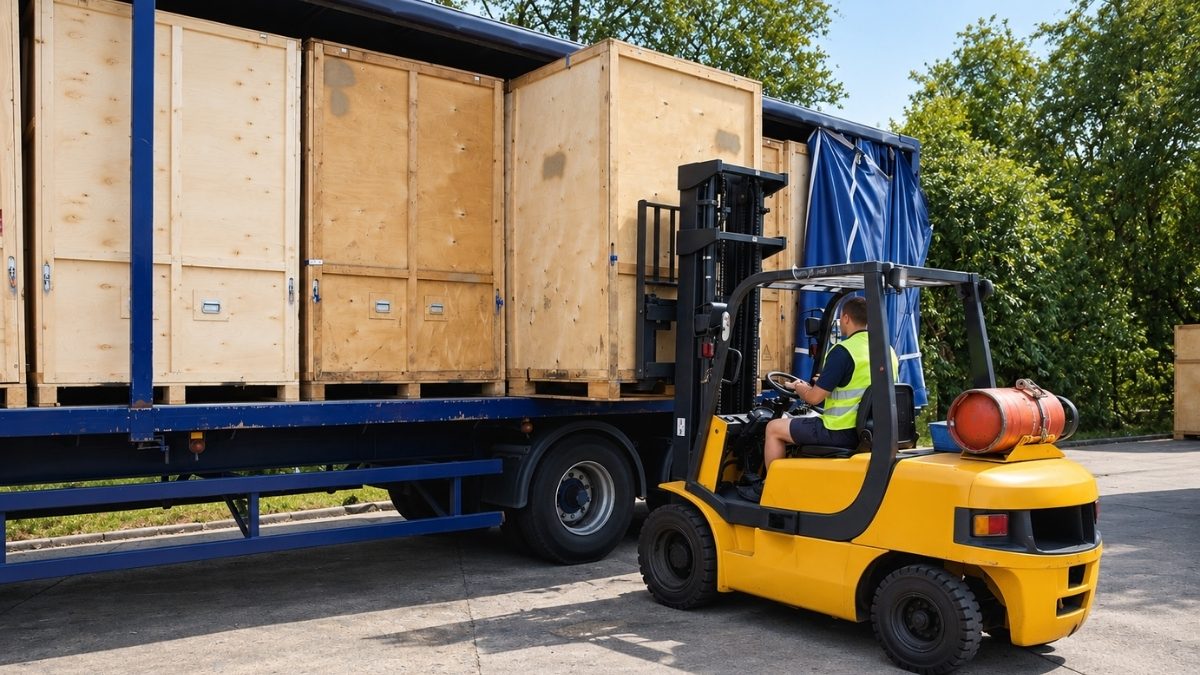
Yes. A crane is not always the most practical or least disruptive choice. Modular sectionals may be separated into smaller pieces. Gym equipment may be partially disassembled. Machinery skates, stair climbers, gantries, forklifts, material lifts, or interior hoists may solve specific route problems.
The best method depends on the entire move. Removing a window may create clearance, but the item still needs a safe path to the opening and final position. A crane may bypass the stairs but remain impractical without stable setup space. A qualified assessment should compare feasibility, handling risk, building impact, permits, setup requirements, and final placement.
What Should You Ask Providers of Crane Services Near Me?
Look beyond equipment availability. Ask who will coordinate the mover, crane operator, rigger, signal person, building contact, and permit process. Confirm that the provider has experience with the specific item category, such as artwork, antiques, oversized furniture, HVAC equipment, or machinery.
A complete estimate should define the scope and assumptions, including item weight, access, setup location, building approvals, permits, traffic control, opening or railing removal, crating, rigging, storage, and weather-related contingencies. Avoid treating a crane-assisted move as an equipment-only rental when the job also requires specialty handling and installation.
Frequently Asked Questions
Does every piano or heavy item require a crane?
No. Many pianos and heavy items can be moved through conventional routes with the right equipment and crew. A crane becomes more likely when dimensions, stairs, elevator limits, weight distribution, exterior access, or property risks make the normal route unsuitable.
Can oversized furniture be lifted through a window or over a balcony railing?
Sometimes. The opening, receiving surface, façade, crane reach, item dimensions, rigging clearance, and building rules must support the plan. Never base a balcony or window lift on visual estimates alone.
Who is responsible for crane permits?
Responsibility depends on the jurisdiction and scope. The crane company, licensed rigger, contractor, mover, building representative, or permit expediter may handle different filings. The proposal should state who verifies and secures each approval.
How far in advance should I plan a crane-assisted move?
Start planning as early as possible, especially for moves in New York City, high-rise buildings, or locations where the operation may affect public streets. Site reviews, equipment scheduling, insurance certificates, building approvals, permits, traffic coordination, and weather planning can increase the required lead time.
Is crane rental the same as crane moving service?
Not necessarily. “Crane rental” may cover the equipment and an operator, while a crane-assisted moving service may also include protection, crating, rigging, movers, building coordination, interior handling, assembly, and final placement. Clarify the complete scope before comparing quotes.
Plan Your Move With an Integrated Team
When oversized items such as pianos, machinery, or large furniture cannot fit through standard routes, begin with a professional site assessment. KP Quality provides moving, crating, and crane services for residential and commercial projects across New York City and Long Island.
Contact us to discuss your relocation, determine the appropriate handling method, and request a free estimate.