
What’s in This Guide
- What Is Crane Rigging?
- What Does a Rigger Do?
- How Crane Rigging Works: 7 Steps in a Planned Lift
- Why Load Securement Matters
- When Do Homeowners and Businesses Need Rigging Services?
- How to Prepare Your Property Before a Crane Rigging Project
- How Professional Rigging Helps Reduce Damage Risk
- Frequently Asked Questions
- Plan Your Heavy Lift with KP Quality
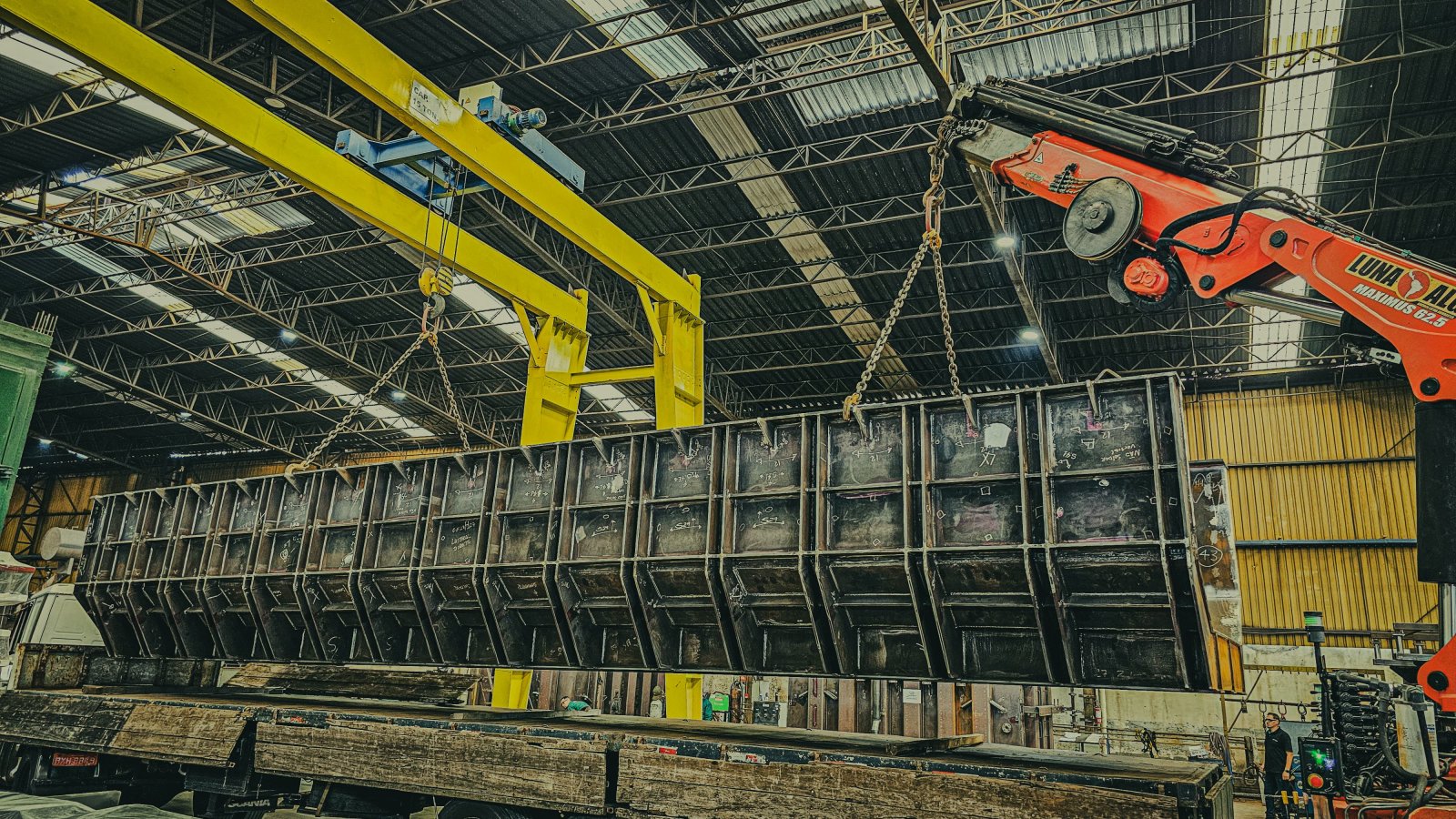
When a piano will not fit through a doorway, a rooftop unit must be placed from the street, or machinery needs precise positioning; the crane is only part of the solution. Crane rigging is the process of preparing, attaching, securing, controlling, and guiding a load so a crane can lift and place it safely.
For homeowners and businesses, that means more than “hooking something up.” A rigging plan considers weight, dimensions, center of gravity, lifting points, hardware, crane position, travel path, landing area, utilities, ground conditions, and access. Professional rigging services bring those details together to reduce avoidable risks to people, property, and equipment.
Quick Facts
- Crane rigging connects, secures, controls, and guides a load during a crane lift.
- Good lift planning starts with verified load information, a site assessment, suitable gear, and a clear lift path.
- Load securement helps prevent shifting, slipping, or unbalanced movement during lifting.
- Permits, street-use approvals, traffic controls, or police details may be required when a crane affects public space.
- Property owners can help by providing accurate item details, clear access, utility information, and a prepared landing area.
What Is Crane Rigging?
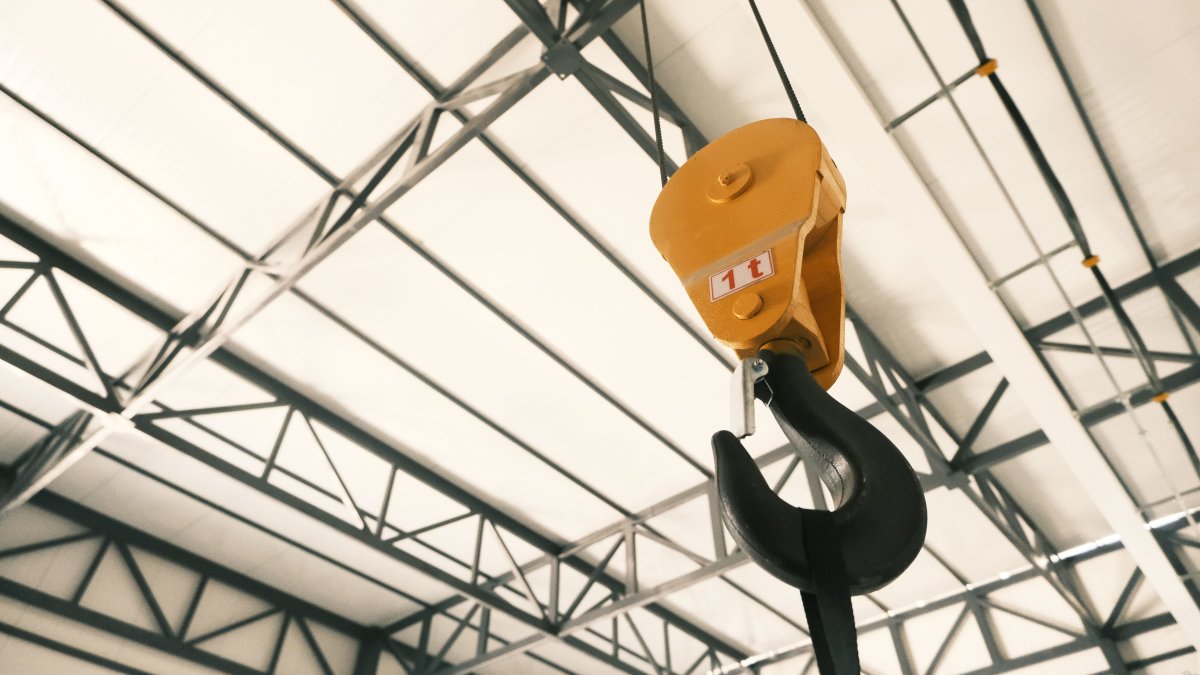
Crane rigging refers to the equipment and methods used to connect a load to a crane and control it throughout the lift. Common components include slings, shackles, hooks, lifting beams, spreader bars, and tag lines. The setup depends on the load and how it must move.
Rigging is different from crane operation. The crane operator controls the machine. The rigger focuses on the load connection, rigging configuration, balance, securement, and handling requirements. A signal person may also communicate movement instructions when visibility or site conditions require it.
OSHA’s qualified-rigger guidance defines a qualified rigger as someone who meets the criteria for a qualified person through recognized credentials or demonstrated knowledge, training, and experience. OSHA also requires a qualified rigger in specific construction situations, including certain tasks within the fall zone while hooking, unhooking, guiding, or initially connecting a load.
What Does a Rigger Do?
A rigger’s work begins before the crane lifts. Depending on the project, the rigger may:
- Review the object’s weight, dimensions, shape, condition, and center of gravity.
- Identify lifting points and determine whether the item needs a lifting beam, spreader bar, cradle, or custom support.
- Select slings, shackles, hooks, and other gear with suitable working load limits.
- Choose a hitch configuration and account for sling-angle effects.
- Protect fragile surfaces or sharp edges.
- Check that the load is balanced and secured against unintended movement.
- Coordinate with the operator and signal person.
- Inspect rigging gear and remove damaged or unsuitable equipment from service.
Under OSHA’s rigging-equipment standard, material-handling rigging must be inspected before use on each shift and as necessary during use. Identification markings showing rated capacity must remain legible, and equipment cannot be loaded beyond its recommended safe working load.
How Crane Rigging Works: 7 Steps in a Planned Lift
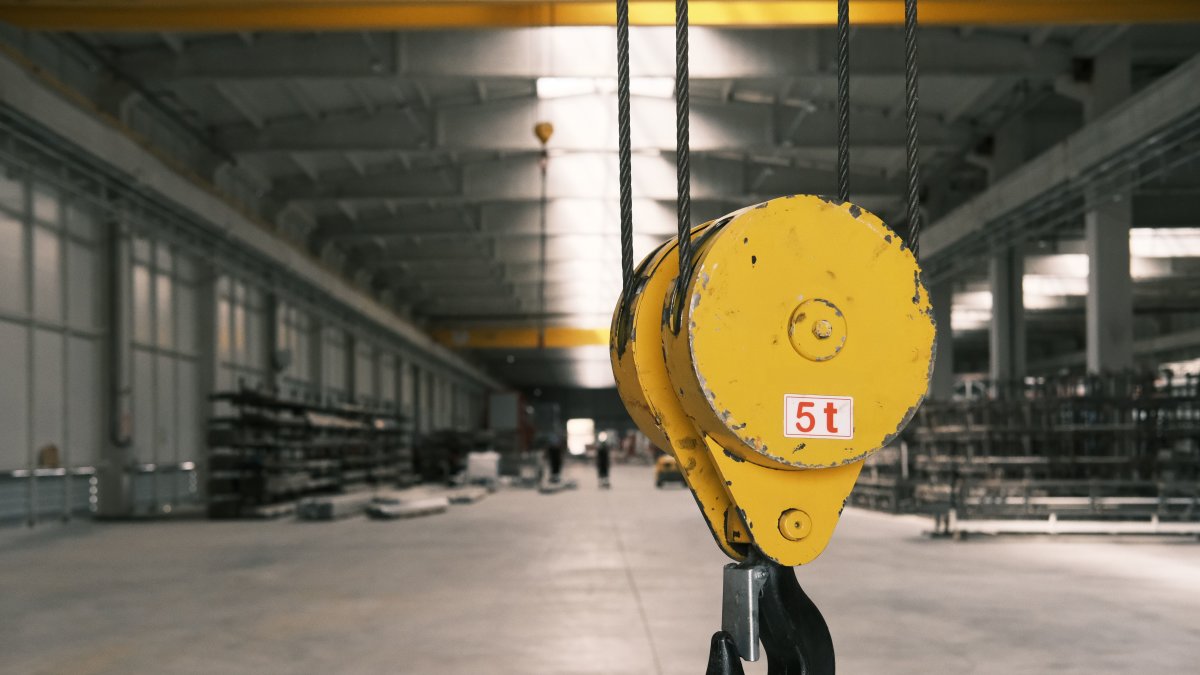
1. Define the Load and Destination
The team identifies what must be lifted, where it starts, and where it needs to land. A residential lift might involve moving a piano through an upper-floor opening, while a commercial project could involve placing an HVAC unit or machinery.
For residential relocations involving fragile or valuable belongings, knowing what to consider before hiring NYC packing services can help coordinate protective packing and crating before specialized lifting begins.
2. Assess Weight, Dimensions, Balance, and Lift Points
Accurate load information is essential because weight, dimensions, center of gravity, and lifting points affect the entire rigging plan. An uneven center of gravity can cause a load to tilt, so riggers may adjust sling lengths, connection points, or lifting devices while using proper load securement to prevent shifting or movement.
3. Evaluate the Site and Crane Setup Area
The crew reviews access, overhead hazards, underground concerns, slope, surface conditions, outriggers, and operating radius. OSHA’s ground-conditions rule requires covered crane equipment to operate on suitable supporting ground, while OSHA’s power-line safety rule requires specific precautions when equipment, loads, or rigging could approach power lines.
4. Select and Inspect the Rigging
The rigger selects slings, shackles, hooks, and other equipment based on the load, hitch type, connection points, expected forces, and working conditions. Rigging capacity can change with configuration and sling angle, so professionals rely on manufacturer ratings, known load data, and required inspections rather than appearance alone.
5. Plan the Lift Path and Work Area
Lift planning identifies a controlled route that limits exposure to people, structures, vehicles, utilities, and other obstacles. OSHA’s suspended-load requirements address minimizing employee exposure to hoisted loads, while OSHA’s signal requirements require a signal person in certain situations where the operator cannot fully see the load or placement area.
6. Confirm Permits, Street Use, and Traffic Requirements
Permit, street-use, and traffic-control requirements can vary based on the location, equipment, and scope of the lift. Some projects may require additional approvals or coordination, especially when cranes affect public streets, sidewalks, parking areas, or pedestrian access.
7. Test, Lift, Guide, and Land
Before full travel, the team may raise the load slightly to confirm balance, connection security, clearances, and equipment response. During the lift, the crew follows the planned path and approved signals, keeps people clear of the suspended load, and places the item on a prepared, stable surface before removing the rigging.
Why Load Securement Matters
A heavy object can be strong enough to lift but still be poorly configured for lifting. Cabinet doors can swing. Machinery can contain moving assemblies. Stone, glass, or artwork may need protection from concentrated pressure. Crated items can shift internally.
Load securement can involve blocking, bracing, padding, wrapping, immobilizing moving parts, protecting edges, or using a purpose-built crate or support frame.
For projects involving household belongings alongside oversized items, understanding the differences between full and partial packing services can help determine which items need standard packing and which require specialized protection or crating. OSHA’s keeping-clear-of-the-load standard requires materials in certain fall-zone operations to be rigged to prevent unintentional displacement.
For property owners, the practical point is simple: the item must remain stable as forces change from resting on the ground to hanging from the crane.
When Do Homeowners and Businesses Need Rigging Services?
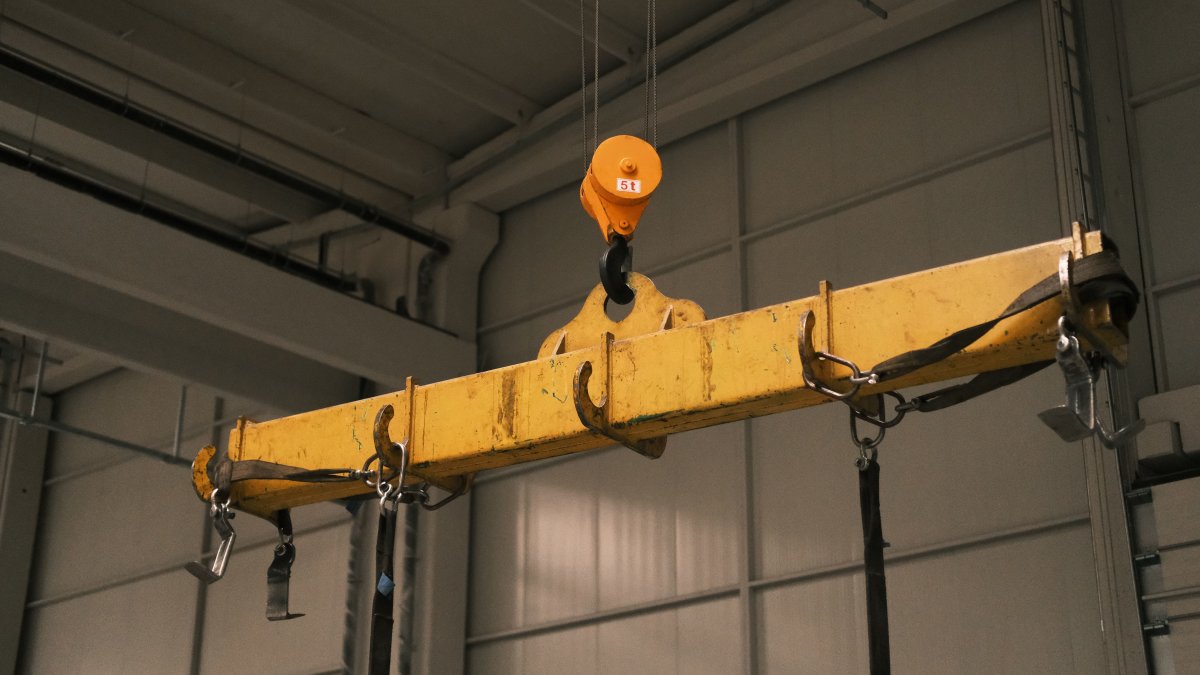
Crane rigging is commonly considered when conventional moving methods cannot provide safe access or controlled placement. Examples include:
- Pianos, safes, large furniture, sculptures, and oversized household items.
- Artwork, mirrors, glass, marble, and other fragile pieces.
- Rooftop HVAC units, generators, mechanical equipment, and building materials.
- Manufacturing equipment, laboratory equipment, and heavy machinery.
- Loads that must enter or leave through a balcony, window, roof opening, courtyard, or constrained site.
- Items requiring custom crating before lifting or transport.
Weight is only one factor. Shape, fragility, pick points, access, landing conditions, and the consequences of movement all influence the plan.
For oversized items that cannot pass through standard entryways, understanding when crane rental may be needed for a move can help property owners determine whether specialized lifting equipment should be part of the relocation plan.
How to Prepare Your Property Before a Crane Rigging Project
Preparing for a rigging project also involves confirming the provider’s experience, equipment capabilities, and approach to site coordination. Some of the same questions to ask a moving company in Long Island can help property owners evaluate communication, scheduling, and responsibility for handling difficult or high-value items.
- Share accurate load details. Provide specifications, model numbers, dimensions, photos, crating information, and known weight data.
- Document access. Photograph gates, driveways, streets, balconies, windows, roof edges, loading areas, and obstacles.
- Identify known utilities and restrictions. Mention overhead lines, underground utilities, septic systems, vaults, fragile pavement, restricted parking, or building rules.
- Prepare pickup and landing areas. Remove unrelated objects and make sure the destination is ready.
- Coordinate site access. Confirm loading hours, security requirements, dock restrictions, and facility contacts.
- Ask about permits early. Public road or sidewalk use can affect setup and scheduling.
- Keep the work zone clear. Follow crew instructions and keep occupants, employees, customers, and pets outside controlled areas.
How Professional Rigging Helps Reduce Damage Risk
Professional rigging cannot eliminate every risk, but it can reduce avoidable risk by replacing improvised lifting with a planned system.
A crew can match gear to the load, protect vulnerable surfaces, control orientation, keep forces within rated limits, choose a safer travel path, and prepare landing conditions before the item is suspended. For difficult or high-value items, rigging can also work with custom crating, disassembly, or specialty installation to protect the object beyond the airborne portion of the move.
For homeowners, that may mean avoiding tight stairs or doorways. For businesses, it may mean placing equipment with less disruption to surrounding operations. When specialized lifting is part of a larger relocation, understanding what out-of-state moving companies handle before, during, and after a move can also help coordinate rigging, transportation, delivery, and final placement.
Frequently Asked Questions
How far in advance should I schedule crane rigging in Long Island or NYC?
Lead time can vary depending on the lift, site access, coordination needs, and any applicable approvals. More complex projects may require additional planning, especially when street access, building coordination, or specialized equipment is involved. Scheduling early gives the team more time to review the site and prepare for the lift.
Does weather affect crane rigging in Long Island and New York City?
Weather conditions can affect crane rigging plans and scheduling. Wind, rain, visibility, temperature, and ground conditions may need to be evaluated before work proceeds. If conditions could affect safe lifting or site access, the plan or timing may need to be adjusted.
Can rigging services be performed at an occupied home or active business?
Possibly. The approach depends on the property layout, work-zone requirements, access, and the ability to keep occupants or employees safely separated from the lifting area. Some projects may also require temporary access restrictions or coordination with building staff during the lift.
What happens if site access changes before a scheduled crane lift?
Notify the rigging team as early as possible. Changes involving parking, construction, access points, obstructions, or landing areas may affect the original lift plan. A revised site review may be needed to confirm that the planned setup and lift path still work.
Should neighbors or nearby tenants be notified before a crane lift?
It depends on the property and location. Building rules, access needs, parking restrictions, noise considerations, or local requirements may make advance coordination with nearby occupants appropriate. Early notice can also help reduce access conflicts on the day of the lift.
Plan Your Heavy Lift with KP Quality
KP Quality provides crane rigging, moving, crating, hoisting, installation, and logistics support for residential and commercial projects across Long Island and New York City. With over 15 years of experience, the team helps plan challenging lifts involving heavy, oversized, fragile, or hard-to-access items. OSHA guidance should support, not replace, project-specific lift planning, manufacturer instructions, engineering review, or local permit requirements.
Contact KP Quality to discuss your project and request a free estimate.
Related Posts:
Recent Comments