
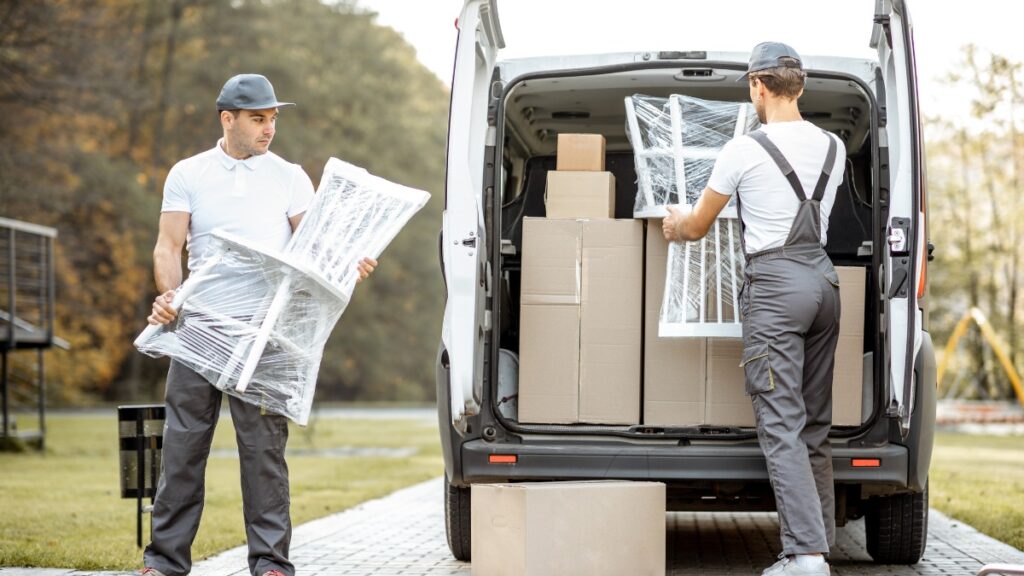
Moving across state lines involves more planning, more handling, more paperwork, and more coordination between pickup and delivery. That is why many people compare out-of-state moving companies before choosing who to trust with their belongings.
The right movers do more than load a truck. They help organize the move before it starts, protect your items during transport, and support a smoother delivery once you arrive.
What’s In This Guide
- What Makes an Out-of-State Move Different From a Local Move?
- What Out-of-State Moving Companies Do Before Your Move
- How to Prepare for State-to-State Movers
- What Movers Do During Packing and Loading
- What Happens During the Interstate Transport Stage?
- What Out-of-State Movers Do at Delivery
- What Happens After Your Move?
- How to Choose the Right Out-of-State Movers Company
- Frequently Asked Questions (FAQs)
- Plan Your Out-of-State Move With KP Quality
Quick Facts
- Interstate moves require more planning and coordination.
- Movers handle estimates, logistics, and packing prep.
- Movers help protect and transport belongings with care.
- Delivery may include unloading and furniture setup.
- Reliable movers provide clear communication and support.
What Makes an Out-of-State Move Different From a Local Move?
A local move may be completed in one day. An interstate move usually involves a longer timeline, greater distance, written documentation, delivery windows, and more detailed coordination.
Interstate movers must be registered with the federal government and have a U.S. DOT number. Customers can use the FMCSA search tool to confirm a mover’s registration before hiring them.
Longer Distance Means More Planning
Long-distance moves involve more variables, including:
- Travel routes
- Weather
- Fuel stops
- Traffic delays
- Building access
- Delivery schedules
- Truck space and load balance
Professional state-to-state movers plan around these details before moving day begins.
Your Belongings Need More Protection
Items traveling across state lines spend more time inside the truck. Furniture, boxes, electronics, artwork, antiques, appliances, and fragile belongings need secure packing and careful placement to reduce shifting during transport.
- Common protection methods include:
- Furniture padding
- Shrink wrapping
- Box labeling
- Fragile-item cushioning
- Mattress and sofa covers
- Secure truck loading
Paperwork Matters More
For interstate moves, customers should expect written estimates, inventory records, valuation information, and a bill of lading. The FMCSA also explains that movers must provide customers with the “Your Rights and Responsibilities When You Move” booklet before an interstate household goods move.
What Out-of-State Moving Companies Do Before Your Move
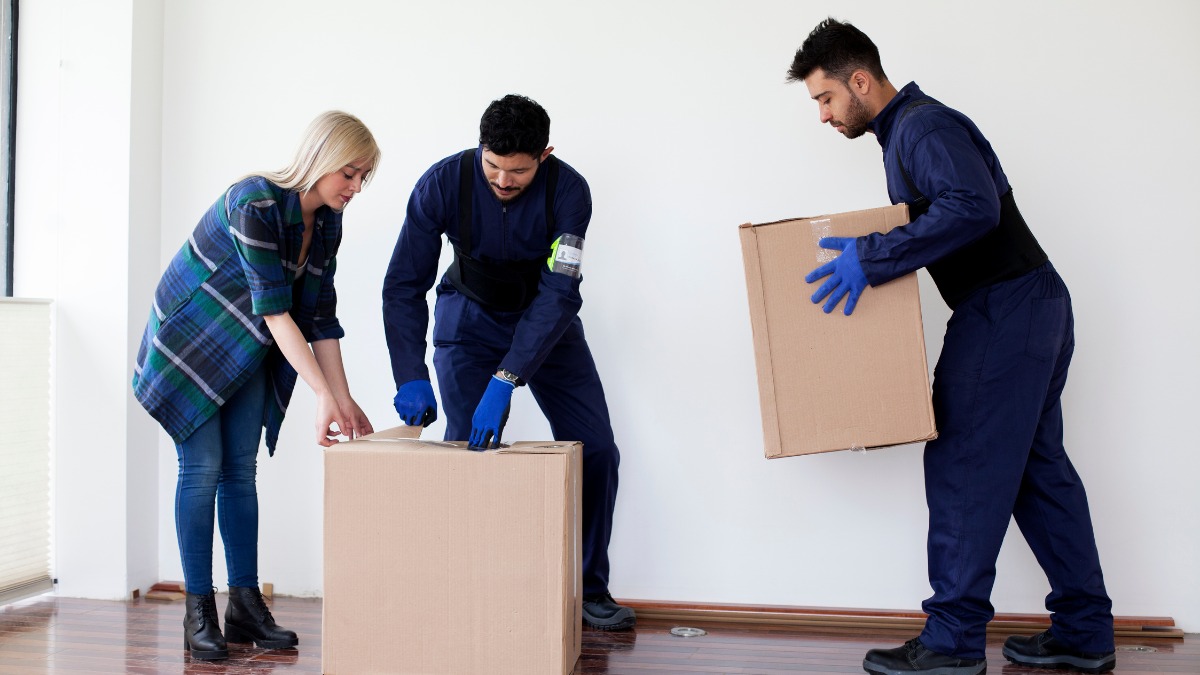
The preparation stage is where a reliable moving company proves its value. Strong planning reduces confusion, protects the schedule, and helps customers understand what they are paying for.
They Review the Details of Your Move
Before giving an estimate, professional out-of-state moving companies usually ask about:
- Pickup and delivery addresses
- Home or office size
- Number of rooms
- Large furniture pieces
- Fragile or specialty items
- Stairs, elevators, and parking
- Packing needs
- Preferred moving dates
This helps movers create a realistic plan instead of guessing.
They Provide a Detailed Estimate
Moving costs are usually based on shipment size, distance, labor, packing needs, access conditions, and specialty handling.
Cost factors may include:
- Number of belongings
- Distance and travel time
- Packing and unpacking
- Furniture disassembly and assembly
- Appliance handling
- Large or delicate items
- Access at pickup and delivery
KP Quality’s out-of-state moving service page also notes factors such as belongings moved, travel time, packing or unpacking, specialty items, and assembly needs.
They Help You Choose the Right Services
Not every customer needs the same level of help. Some people want full-service packing, while others only need transportation and loading.
Common service options include:
- Packing
- Loading
- Long-distance moving
- Unloading
- Assembly and disassembly
- Specialty item handling
A professional out-of-state movers company should explain which services fit your situation instead of pushing unnecessary add-ons.
They Help You Prepare and Declutter
Moving fewer items can reduce time, labor, and packing needs. Before moving day, sort belongings into simple categories:
- Keep
- Donate
- Sell
- Discard
This step also helps movers understand what actually needs to be loaded and transported.
MORE ON THIS TOPIC: How to Safely Pack Glassware for Moving Without Damage
How to Prepare for State-to-State Movers
Preparation makes the entire relocation easier. A clear plan helps movers work efficiently and helps you stay organized.
Step 1: Compare Licensed Interstate Movers
Before hiring state-to-state movers, confirm that the company handles interstate relocations and has the proper registration. FMCSA advises consumers to use registered movers and review mover information before choosing a company.
- What to check before hiring:
- U.S. DOT registration
- Interstate moving experience
- Customer reviews
- Written estimate process
- Available services
- Complaint history
Step 2: Ask for a Written Estimate
A written estimate helps clarify what is included and what may cost extra.
Ask about:
- Packing materials
- Labor charges
- Travel charges
- Delivery timing
- Specialty item fees
- Stairs or elevator access
- Assembly and disassembly
Avoid relying on vague verbal pricing.
Step 3: Make an Inventory of Important Items
An inventory helps you track belongings before, during, and after the move.
Include:
- Electronics
- Antiques
- Artwork
- Appliances
- Office equipment
- Large furniture
- Fragile items
Take photos before the move to document item condition.
Step 4: Decide What You Will Pack Yourself
Some customers pack clothing, books, and basic household items themselves. Others prefer professional packing for fragile, heavy, or valuable belongings.
Professional packing is useful for:
- Glassware
- Mirrors
- Artwork
- Electronics
- Antiques
- Large furniture
- Specialty items
Step 5: Prepare Your Home for Moving Day
A prepared home helps movers work faster and safer.
Before movers arrive:
- Clear hallways
- Reserve elevators
- Confirm parking
- Label rooms
- Separate essentials
- Keep pets and children away from work areas
- Place important documents in your personal bag
What Movers Do During Packing and Loading
Packing and loading are not random tasks. Professional movers use a sequence that protects belongings and keeps the truck organized for long-distance travel.
They Protect Furniture and Fragile Items
Movers use padding, wrapping, and proper packing materials to help reduce damage risks.
Items that often need extra protection:
- Mirrors
- TVs
- Glass tables
- Dressers
- Mattresses
- Framed artwork
- Antiques
They Disassemble Larger Items
Some furniture is safer to move when disassembled.
Common examples include:
- Beds
- Dining tables
- Desks
- Shelving units
- Large cabinets
- Office furniture
Professional movers usually keep hardware organized so reassembly is easier at the destination.
They Load the Truck Strategically
A well-loaded truck protects belongings during transport.
Movers consider:
- Weight distribution
- Fragile box placement
- Furniture positioning
- Truck space efficiency
- Securing items with straps
- Preventing movement during travel
Experienced moving companies that move out of state understand that proper loading can affect the safety of the shipment during a long-distance trip.
What Happens During the Interstate Transport Stage?
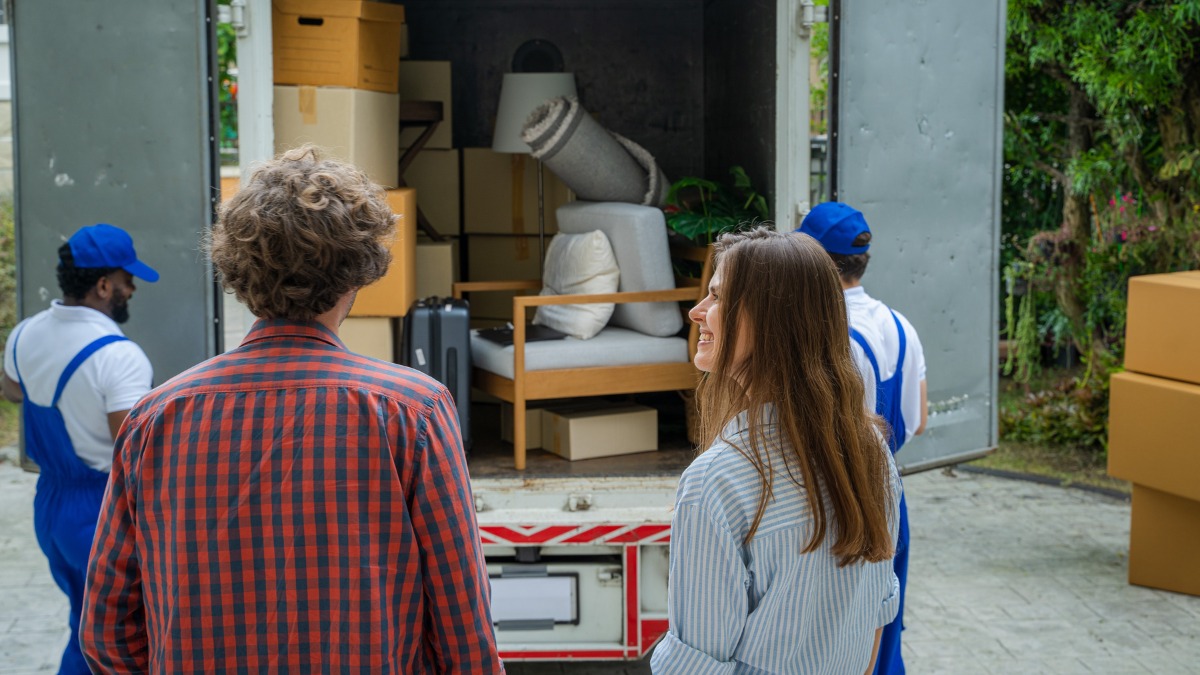
Once the truck leaves, the move enters the logistics phase. Professional movers manage the route, timing, and transportation details.
Movers Manage the Route
Interstate routes may involve highway restrictions, weather, traffic, and access timing. Movers coordinate travel to help keep the shipment on schedule.
Customers Should Understand Delivery Windows
Long-distance moves often use delivery windows instead of exact arrival times. This is normal because mileage, road conditions, and scheduling can affect timing.
Ask your mover about:
- Estimated delivery range
- Contact updates
- Destination access needs
- Payment timing
- Delivery-day expectations
Good Communication Reduces Stress
A reliable out-of-state movers company should provide clear communication before pickup, during transport, and before delivery.
Keep these details accessible:
- Move coordinator contact
- Driver contact, if provided
- Destination address
- Building access instructions
- Parking details
What Out-of-State Movers Do at Delivery
Delivery day is when planning, labeling, and communication come together.
They Unload Belongings Into the Correct Rooms
Room labels make unloading more organized. Instead of placing every box in one area, movers can bring items to the rooms where they belong.
Helpful labels include:
- Kitchen
- Primary bedroom
- Bathroom
- Office
- Garage
- Fragile
- Open first
They Reassemble Furniture When Included
If furniture was disassembled during pickup, movers may reassemble it at delivery depending on the service agreement. Customers should confirm this service with their coordinator.
They Review Inventory and Condition
Customers should review belongings as they are delivered.
Check for:
- Missing boxes
- Damaged items
- Furniture condition
- Room placement
- Specialty items
- Assembly completion
Keep your paperwork until everything has been reviewed.
What Happens After Your Move?
After the truck leaves, there are still a few important tasks to complete.
Final Walkthrough and Item Check
Walk through the home and confirm that large pieces, boxes, and essentials were delivered to the right rooms.
Review:
- Closets
- Garage
- Storage areas
- Outdoor spaces
- Fragile boxes
- Furniture placement
Unpacking and Setup Support
Some out-of-state moving companies offer unpacking or debris removal depending on the service agreement. Ask before moving day so expectations are clear.
Handling Questions or Concerns
Save all moving documents until the move is fully resolved.
Keep copies of:
- Estimate
- Bill of lading
- Inventory list
- Receipts
- Photos
- Delivery paperwork
How to Choose the Right Out-of-State Movers Company
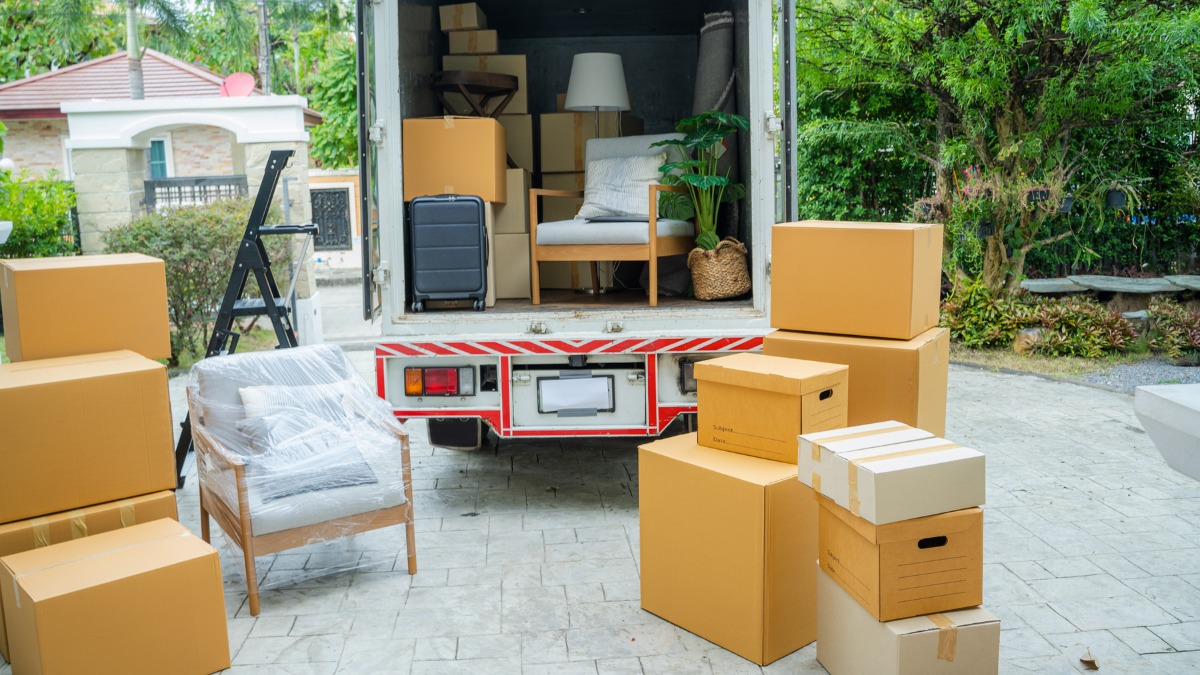
Choosing movers is not only about finding the lowest price. It is about finding the right level of service, experience, and accountability.
Look for Interstate Moving Experience
A company that regularly handles interstate relocations understands the planning, documentation, packing, and coordination involved.
Review Services Beyond Transportation
The best fit may be a mover that offers more than driving.
Look for services such as:
- Packing
- Loading
- Long-distance transportation
- Unloading
- Furniture assembly
- Specialty item handling
Ask About Specialty Items
Some belongings require special care.
Ask how movers handle:
- Antiques
- Large artwork
- Appliances
- Office equipment
- Fitness equipment
- Oversized furniture
- Fragile valuables
Compare Value, Not Just Price
Lower pricing may exclude services you need. Compare what each estimate includes before deciding.
Review these details carefully:
- Included labor
- Packing materials
- Pickup timing
- Delivery expectations
- Assembly services
- Specialty handling
- Insurance or valuation options
Frequently Asked Questions (FAQs)
Can out-of-state movers help with last-minute moving needs?
Some out-of-state movers may accommodate last-minute moves if crews, trucks, and scheduling are available. However, booking early gives you better date options and more time to prepare.
Do I need to be present when movers pick up my belongings?
Yes, you or an authorized adult should be present during pickup to review the inventory, confirm services, answer questions, and sign required moving documents.
What items should not go on an interstate moving truck?
Keep cash, passports, jewelry, medication, legal documents, perishable food, hazardous materials, and irreplaceable valuables with you.
Can movers transport items into storage before delivery?
Some long-distance movers can coordinate short-term or long-term storage if your new location is not ready. Ask about availability, storage fees, and access rules before booking.
How can I make delivery day easier for movers?
Prepare parking, clear entryways, label rooms, share building access details, and provide a simple floor plan so movers know where major furniture and boxes should go.
Plan Your Out-of-State Move With KP Quality
Out-of-state moves require more than a truck and a moving date. They require planning, packing decisions, careful loading, route coordination, clear communication, and organized delivery.
KP Quality provides out-of-state moving support for customers in Long Island, NYC, Nassau County, Suffolk County, Fairfield County, and surrounding areas. Services may include packing assistance, loading, long-distance moving, unloading, assembly, and specialty item handling.
Speak with KP Quality before your next state-to-state relocation and get a clear plan for your move.